Pay Per Click (PPC) Services Agency in India | Advance AI Technology

A Pay Per Click Services Company in India assists in connecting businesses to their target audience through the use of paid advertisement campaigns. In light of the fact that many consumers have begun to use search engines and other digital media to look up products and services online, PPC Advertising has emerged as an important element of digital marketing efforts. It is an avenue that companies can use to drive quality traffic to their website, promote their services and create leads.
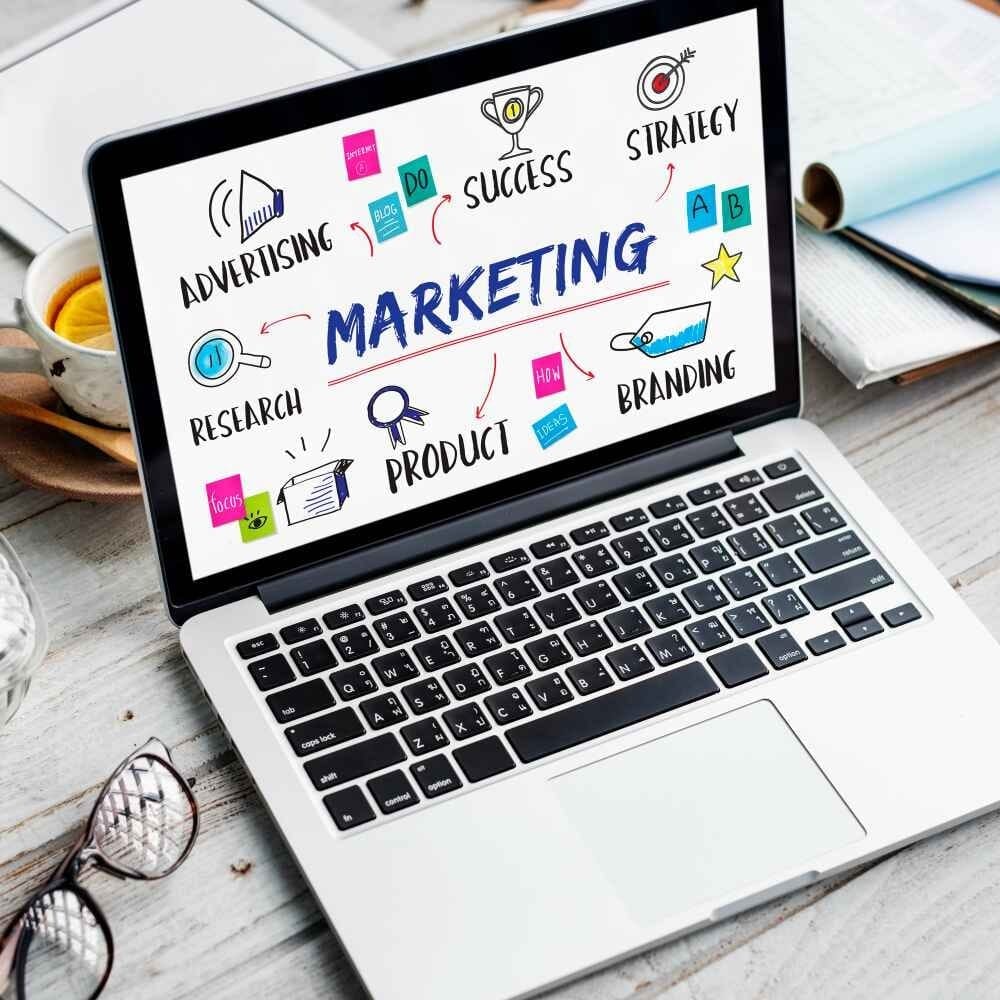 Pay Per Click
Pay-per-click advertising allows advertisers to pay when users click on their ads rather than simply when the ads appear. This model provides opportunities to manage spending, test different messages, and evaluate campaign performance. However, successful advertising requires more than setting a budget and publishing an advertisement. Keyword research, audience targeting, landing page quality, conversion tracking, and continuous optimisation all influence campaign outcomes.
A Pay Per Click Services Agency in India can help businesses understand these elements and organise their advertising activities around specific marketing objectives. From selecting suitable advertising platforms to analysing campaign data, PPC management involves a structured process that connects advertising expenditure with measurable business goals.
How a PPC Campaign Management Company in Noida Supports Business Advertising
A PPC campaign management company Noida businesses work with may handle several activities involved in planning, launching, and improving paid advertising campaigns. These activities generally begin with understanding the business, its target customers, its services, and the purpose of the campaign. Clear objectives help determine which platforms, keywords, and advertising formats are appropriate.
Campaign planning also involves identifying the locations and audiences that a business wants to reach. A company serving customers in Noida may focus on local searches, while an organisation operating across several Indian states may require broader geographic targeting. Selecting the correct locations helps reduce irrelevant clicks and makes campaign reporting more meaningful.
Keyword research is another important part of PPC management. Advertisers examine the search terms potential customers use when looking for products or services. Keywords can be grouped according to search intent, such as informational research, product comparison, or immediate purchase interest. Negative keywords can also be added to prevent advertisements from appearing for unrelated searches.
Ad copy development helps communicate the relevance of an offering. Headlines, descriptions, and calls to action should accurately reflect the advertised service and the information available on the landing page. Consistency between the advertisement and the destination page can improve the user experience and help visitors find what they expected.
Campaign management also includes monitoring spending, reviewing search-term reports, adjusting bids where appropriate, and testing different advertising messages. These activities help identify which parts of a campaign are performing effectively and which require improvement.
Understanding Pay Per Click Services in India
Pay Per Click Services in India cover a range of paid advertising activities designed to help businesses connect with potential customers through digital platforms. The exact services required depend on the organisation's objectives, audience, industry, and available budget.
Search advertising is one of the most common forms of PPC. These advertisements may appear when users search for relevant products, services, or solutions. Search campaigns are particularly useful when people are actively looking for information related to a business's offerings.
Display advertising uses visual advertisements across participating websites and applications. It can support brand awareness, product promotion, and remarketing. Video advertising provides another way to communicate with audiences through visual storytelling, demonstrations, and short promotional messages.
Paid social campaigns allow businesses to reach audiences on social media platforms using demographic, interest-based, behavioural, or other available targeting options. Shopping campaigns can help eligible retailers showcase products, prices, and product images to people searching for items online.
Remarketing is used to reconnect with people who have previously visited a website or interacted with a business. Depending on platform rules and user consent requirements, these campaigns can remind previous visitors about relevant products or services.
A suitable PPC strategy does not necessarily require every advertising format. Businesses should select channels based on audience behaviour, campaign objectives, and the ability to measure results accurately.
Important Elements of an Effective PPC Strategy
An effective PPC strategy starts with clearly defined objectives. Businesses may want to generate qualified leads, increase online sales, encourage registrations, attract local enquiries, or improve awareness of a new offering. Each objective requires different campaign settings and performance indicators.
Budget allocation is another important consideration. Advertisers should establish a realistic spending limit based on expected customer value, competition, and business capacity. Daily budgets, bidding strategies, and campaign schedules can help manage expenditure, although actual costs and results may vary.
Audience targeting should reflect the people most likely to benefit from the advertised product or service. Depending on the platform, advertisers may use location, language, device, demographic, interest, or search-intent signals. Targeting should be reviewed regularly to identify unnecessary restrictions or audiences that generate irrelevant traffic.
Landing pages are equally important. A relevant advertisement can still produce poor results if the destination page loads slowly, lacks essential information, or makes it difficult to complete an action. Pages should communicate the offer clearly, work well on mobile devices, and provide a straightforward path to enquiry or purchase.
Conversion tracking connects advertising activity with actions that matter to a business. Examples include completed purchases, submitted enquiry forms, phone calls, and registrations. Accurate tracking helps advertisers distinguish between campaigns that attract clicks and campaigns that contribute to business objectives.
Keyword Research and Search Intent in PPC Advertising
Keyword research helps advertisers understand how potential customers search for specific products and services. The process involves identifying relevant terms, assessing their likely intent, and organising them into logical campaign groups.
High-intent keywords may indicate that a user is ready to compare providers or make a purchase. Broader keywords can attract users who are still researching their options. Both may have a role, but they should be evaluated against the campaign's goals and available budget.
Match types influence how closely a user's search needs to relate to a selected keyword before an advertisement can appear. Advertisers should understand the matching behaviour of their chosen platform and review actual search queries regularly.
Negative keywords help exclude searches that are unlikely to produce valuable results. For example, a business offering paid professional services may want to exclude unrelated searches for free templates, jobs, or training materials when those searches do not match its offering.
Keyword performance should be evaluated alongside conversion quality, not just click volume. A keyword generating fewer clicks may be more valuable if it consistently attracts relevant prospects or customers.
Measuring PPC Performance Through Relevant Metrics
Performance measurement helps businesses understand whether their advertising campaigns are meeting their objectives. Click-through rate (CTR) indicates the proportion of impressions that result in clicks. Cost per click (CPC) measures the average amount paid for each click, while conversion rate shows how frequently users complete a defined action after interacting with an advertisement.
Cost per conversion is particularly useful for lead-generation and sales campaigns. However, a low cost per conversion does not automatically mean a campaign is profitable. Businesses should also consider lead quality, completed sales, customer value, and the resources required to convert prospects.
Return on ad spend (ROAS) compares the revenue attributed to advertising with the advertising expenditure. It can help ecommerce businesses evaluate campaign efficiency, provided revenue tracking is reliable. For businesses with longer sales cycles, customer acquisition cost and qualified-lead metrics may provide a more complete picture.
Regular reporting should explain what changed, why it may have changed, and which actions are being considered. Reviewing performance over an appropriate period helps avoid decisions based on short-term fluctuations or limited data.
Common PPC Challenges and How to Address Them
Businesses may encounter several challenges when managing paid advertising. High competition can increase click costs, while broad targeting may attract visitors who are unlikely to become customers. Poor landing page experiences can reduce conversions even when advertisements receive substantial traffic.
Another common issue is incomplete conversion tracking. If important actions are not recorded correctly, campaign reports may provide an inaccurate picture of performance. Tracking configurations should be tested before major campaigns begin and checked when websites or forms change.
Frequent, unnecessary campaign changes can also make performance difficult to interpret. Advertisers should use a structured testing process, allow sufficient time for meaningful data to accumulate, and document significant adjustments.
Ad fatigue can affect campaigns that repeatedly show the same creative to the same audience. Refreshing advertising messages, reviewing audience reach, and testing relevant variations may help maintain engagement. All changes should remain consistent with the business's actual offerings and advertising policies.
Choosing the Right Approach to PPC Campaign Management
Selecting a suitable PPC management approach requires an understanding of business goals, internal resources, and campaign complexity. Some organisations manage advertising internally, while others work with an external agency or combine internal oversight with specialist support.
Businesses evaluating a PPC agency can consider its approach to campaign planning, keyword research, conversion tracking, budget management, reporting, and optimisation. Clear communication about responsibilities and access to advertising accounts is also important.
Campaign reporting should make performance understandable rather than focusing only on impressions or clicks. Useful reports connect advertising activity with leads, sales, qualified enquiries, and other relevant outcomes. Businesses should also understand how campaign budgets, management fees, and third-party platform charges are handled.
A structured review process helps maintain accountability. Regular discussions about performance, business priorities, and upcoming changes allow campaigns to adapt as market conditions and customer behaviour evolve.
The Role of PPC in a Long-Term Digital Marketing Strategy
PPC advertising can complement search engine optimisation, content marketing, social media and other digital channels. Paid campaigns may provide visibility for competitive searches while organic search visibility develops over time. Search-term data can also reveal topics and customer needs that inform website content.
However, paid advertising and organic marketing serve different purposes. PPC visibility generally depends on continued campaign funding and platform conditions, whereas organic search performance depends on factors such as relevance, content quality and search engine evaluation.
Businesses should assess PPC as part of their broader marketing strategy. The most appropriate balance between paid and organic activity depends on their objectives, competition customer journey and available resources.
A Pay Per Click Services Agency in India operates within this broader digital advertising environment, where planning, relevant targeting, accurate measurement, and ongoing optimisation help businesses make informed decisions about paid campaigns. By focusing on meaningful outcomes rather than clicks alone, organisations can evaluate advertising performance more clearly and align their PPC activities with long-term business goals.